
For sale
Industrial premises for sale in the Canary Islands
For a stable, long-term operation, buying gives you control of the asset. We help you judge the price, understand the taxes and costs involved, and see how Canary incentives such as the RIC can fit your purchase.
What buying gives you
A purchase suits operations that plan to stay. It removes lease renewals from the picture, lets you adapt the unit to your process, and turns the building into a depreciable asset. For a company with retained profit, it also opens a specific Canary lever: the RIC, which can absorb that profit free of tax when it is reinvested in a qualifying asset such as industrial property.
-
Stability
A bought unit removes lease renewals and rent reviews from the equation, which matters for a fixed installation.
-
Amortisation
You depreciate the building over its useful life, turning the asset into a deductible expense over time.
-
Control
You can adapt the unit to your process — power, layout, cold rooms — without a landlord’s consent.
-
RIC reinvestment
Industrial property is a qualifying asset for the RIC, so a purchase can absorb reserved, untaxed profit.
Costs and taxes on a purchase in the Canary Islands
The headline tax depends on who is selling. When the seller is a business, the transaction is generally subject to the IGIC — the islands' own indirect tax under Ley 20/1991 — rather than mainland VAT. When the sale is second-hand and between private parties, transfer tax (ITP) applies instead, under the regional schedule of the Decreto Legislativo 1/2009.
On top of the headline tax, budget for notary fees, registry fees and, where it applies, stamp duty (AJD). Exact rates change and depend on the case, so the figures should always be confirmed with the Agencia Tributaria Canaria or a qualified adviser before you commit. We map these costs onto a specific property when you have one in view.
How to assess the price
Industrial space in the islands is shaped by a structural scarcity of serviced land, so location, clear height, power and access drive value more than headline floor area. Rather than quote a market yield we cannot source, we weigh a purchase on concrete criteria: the fit to your process, the condition of the structure and installations, the remaining licence and the cost to bring the unit to your spec. A formal valuation under Orden ECO/805/2003 may be needed where financing is involved.
How the RIC fits a purchase
Under the RIC (Ley 19/1994, art. 27), a company can reserve up to 90% of its undistributed profits free of tax, provided it materialises the reserve in qualifying assets within three years. Industrial property is a qualifying asset, which makes a purchase a natural way to put reserved profit to work. The mechanics are strict and case-specific — see our RIC explainer and the ZEC framework, and confirm with an adviser.
General guidance only; not tax or legal advice. Taxes, rates and RIC requirements vary by case — confirm with a qualified adviser. Last reviewed: June 2026.
On the market now
Industrial properties for sale right now
A live selection of units the group holds for sale across Tenerife, each at least 500 m². The guide price and floor area are shown up front so you can shortlist before you call; where a figure is held back you will see «Price on request». The full detail sits on the group site, in Spanish.
-
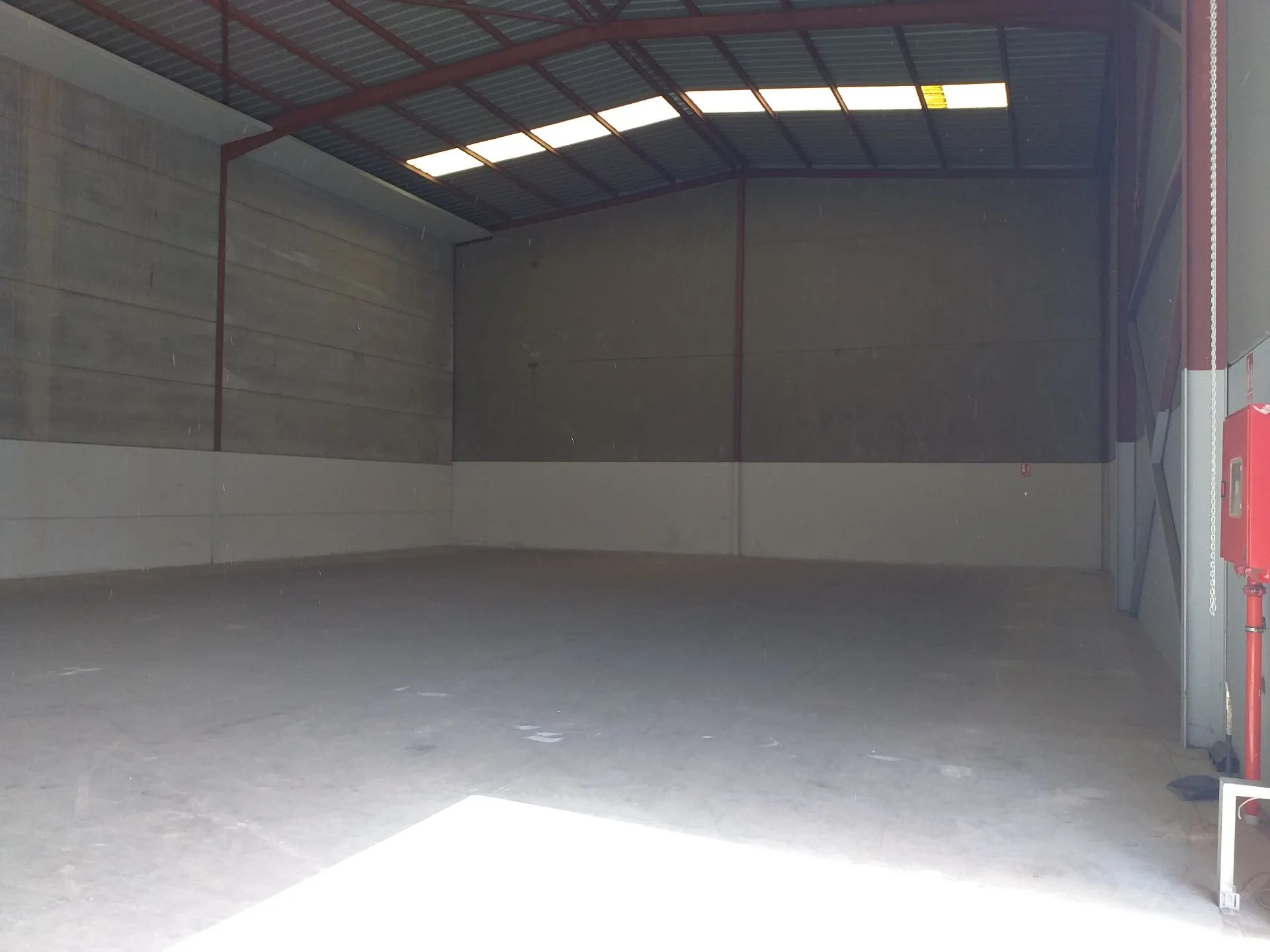
Industrial unit · Ref. N0462
Industrial unit in Polígono de Güímar (ref. N0462)
Polígono de Güímar, Tenerife
- Size
- 375 m² of floor area
- Site
- 575 m² site
- Price
- Price on request
-
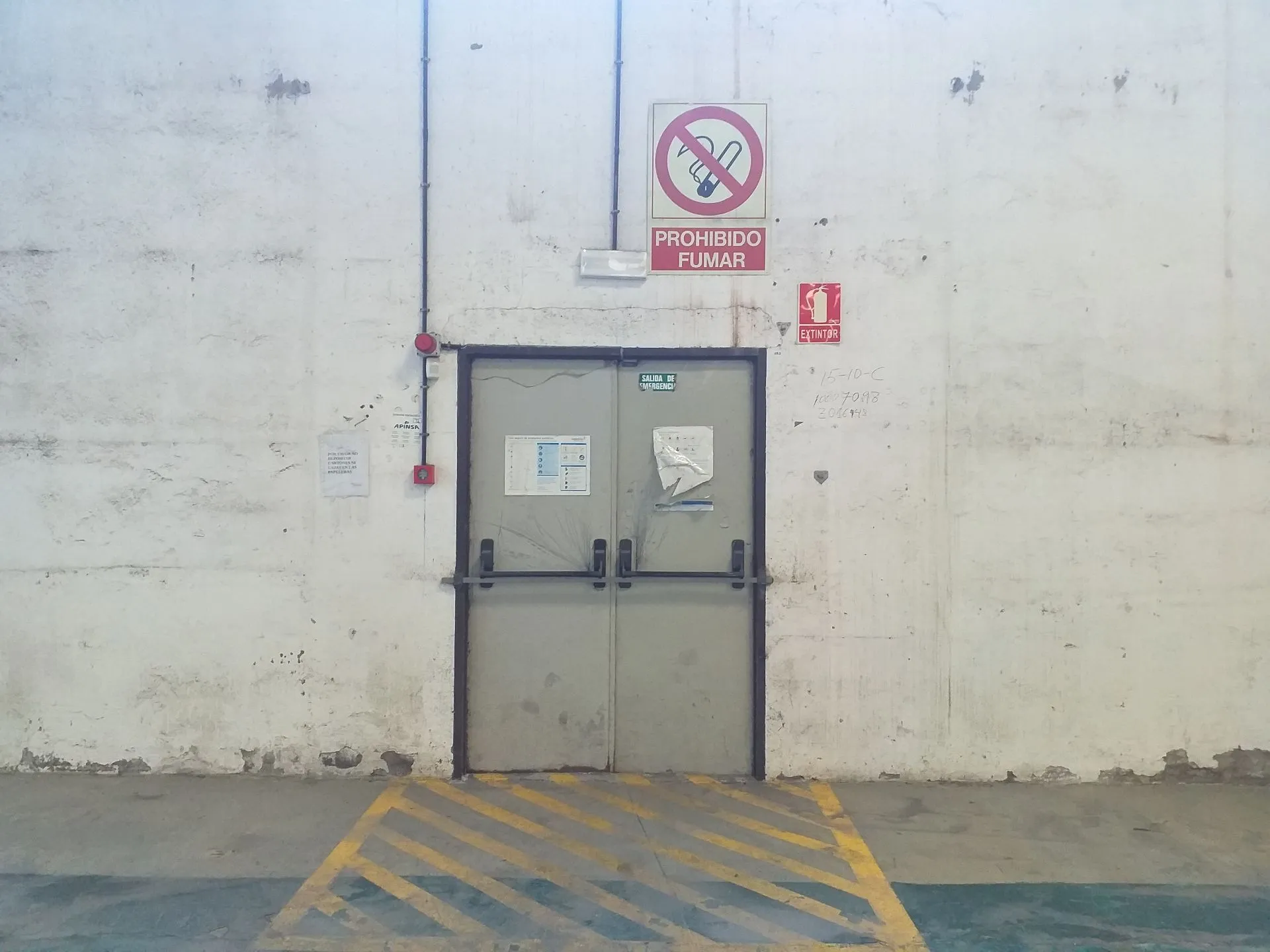
Industrial unit · Ref. N0535
Industrial unit in San Cristóbal de La Laguna (ref. N0535)
San Cristóbal de La Laguna, Tenerife
- Size
- 1,100 m² of floor area
- Price
- Price on request
-
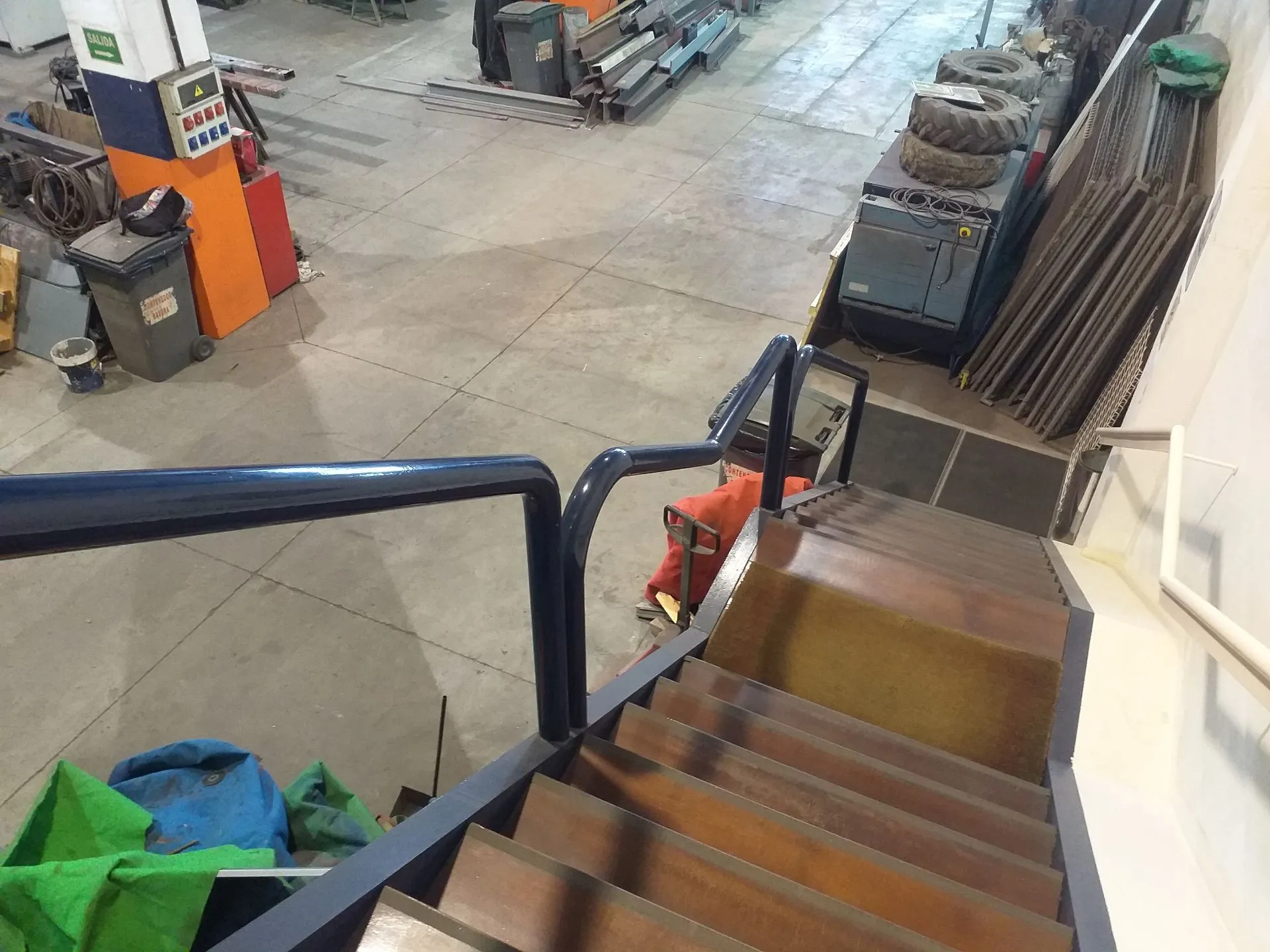
Industrial unit · Ref. N0538
Industrial unit in Polígono La Campana (ref. N0538)
Polígono La Campana, Tenerife
- Size
- 1,036 m² of floor area
- Price
- 1,350,000 € · guide price
-
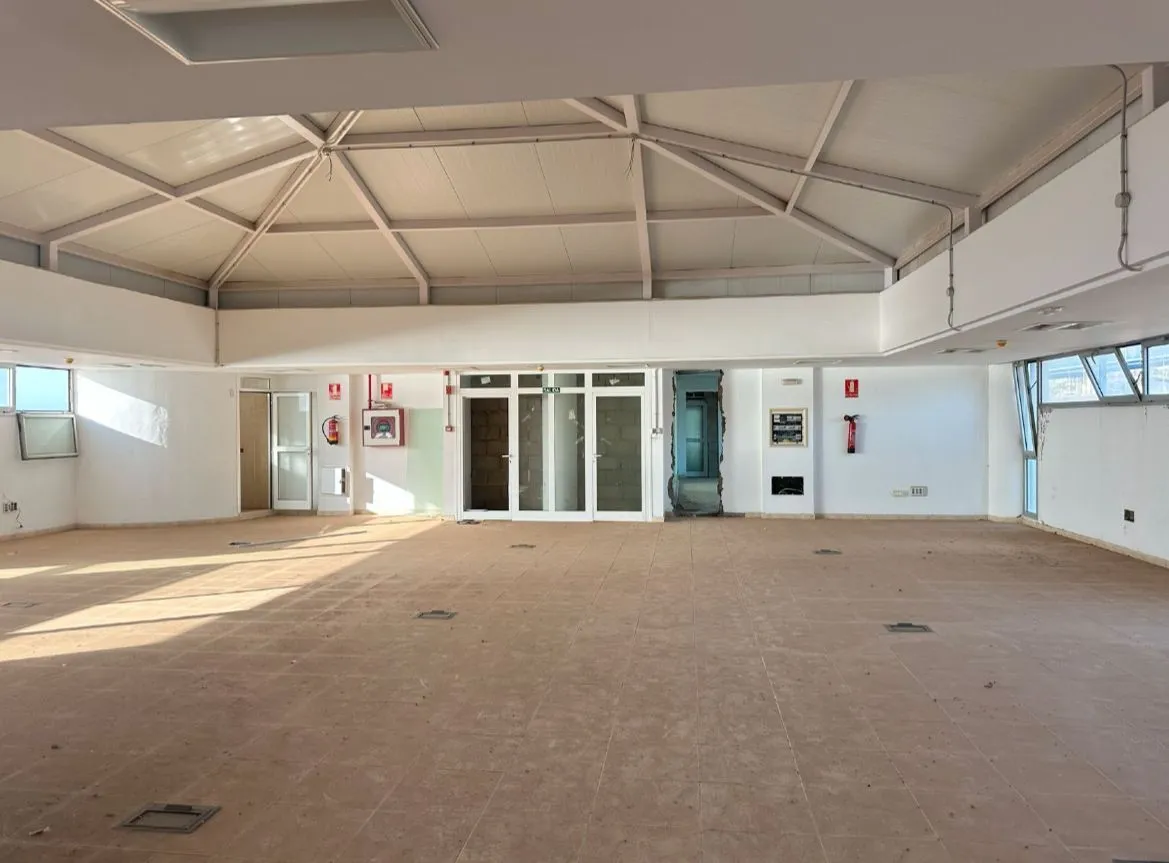
Industrial unit · Ref. N0595
Industrial unit in Santa Cruz (ref. N0595)
Santa Cruz, Tenerife
- Size
- 10,309 m² of floor area
- Price
- 6,500,000 € · guide price
-
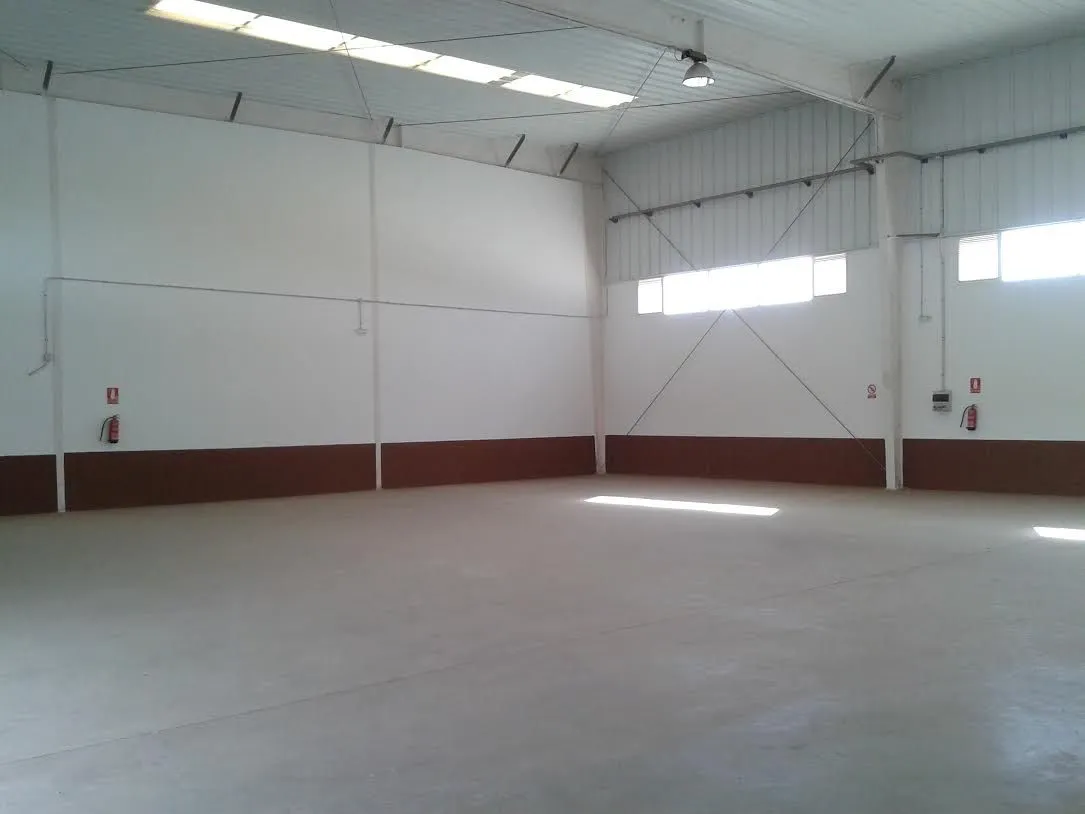
Industrial unit · Ref. N0098
Industrial unit in Polígono Las Chafiras (ref. N0098)
Polígono Las Chafiras, Tenerife
- Size
- 525 m² of floor area
- Price
- Price on request
-
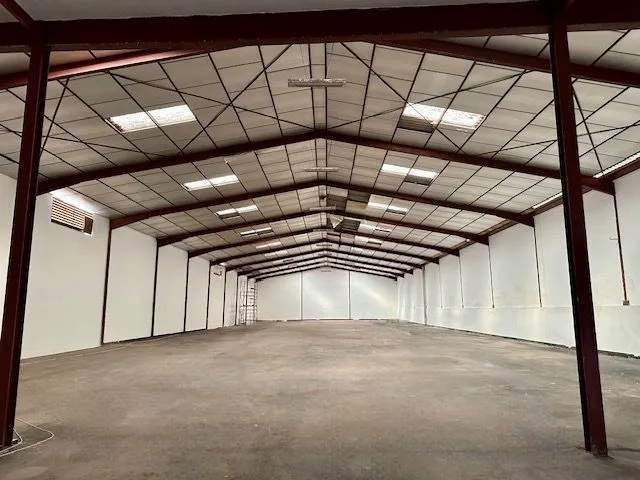
Industrial unit · Ref. N0075
Industrial unit in Polígono Los Majuelos (ref. N0075)
Polígono Los Majuelos, Tenerife
- Size
- 1,524 m² of floor area
- Site
- 1,654 m² site
- Price
- 2,400,000 € · guide price
-
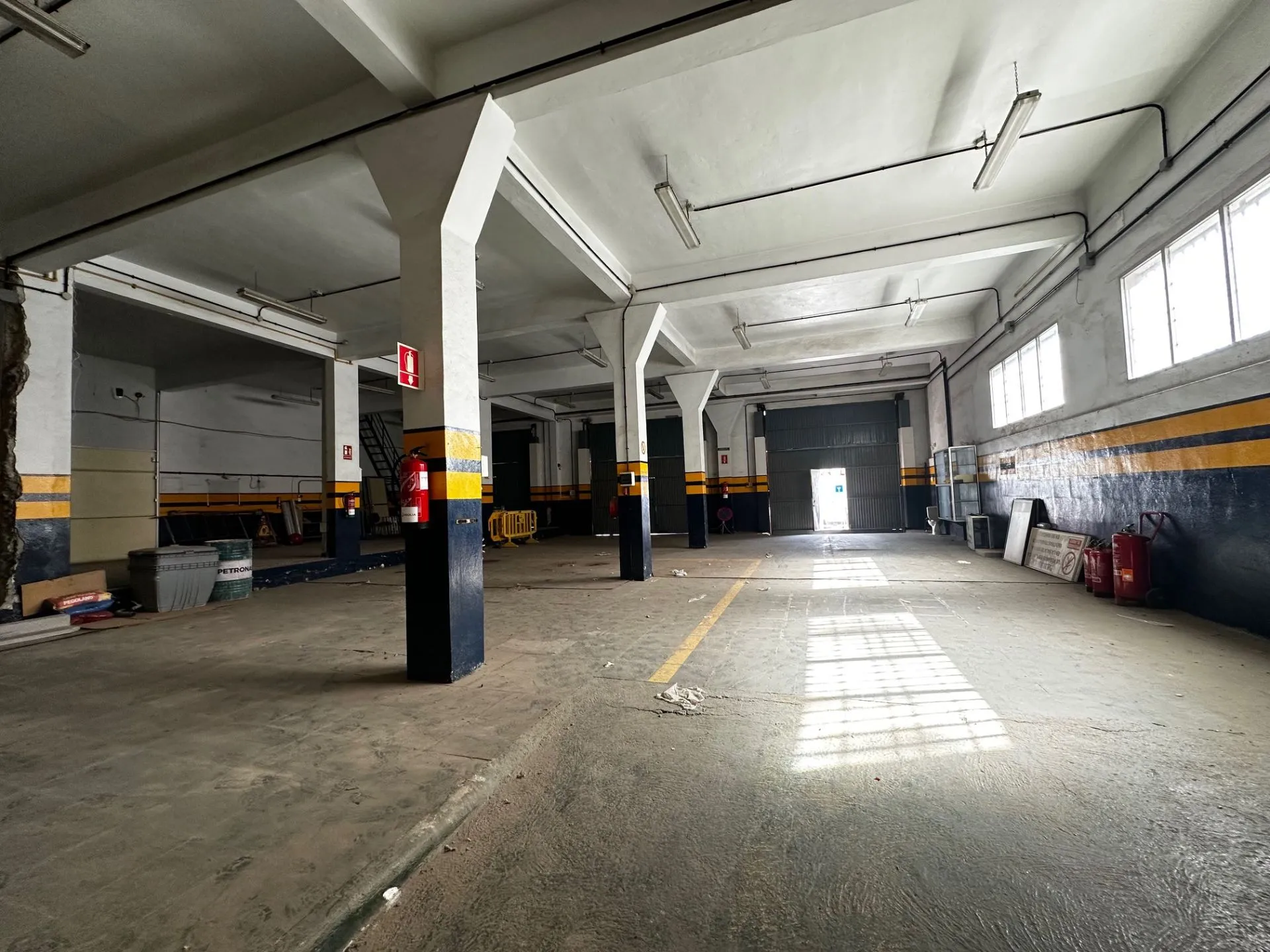
Industrial unit · Ref. N0501
Industrial unit in San Isidro (ref. N0501)
San Isidro, Tenerife
- Size
- 1,300 m² of floor area
- Price
- 1,650,000 € · guide price
-
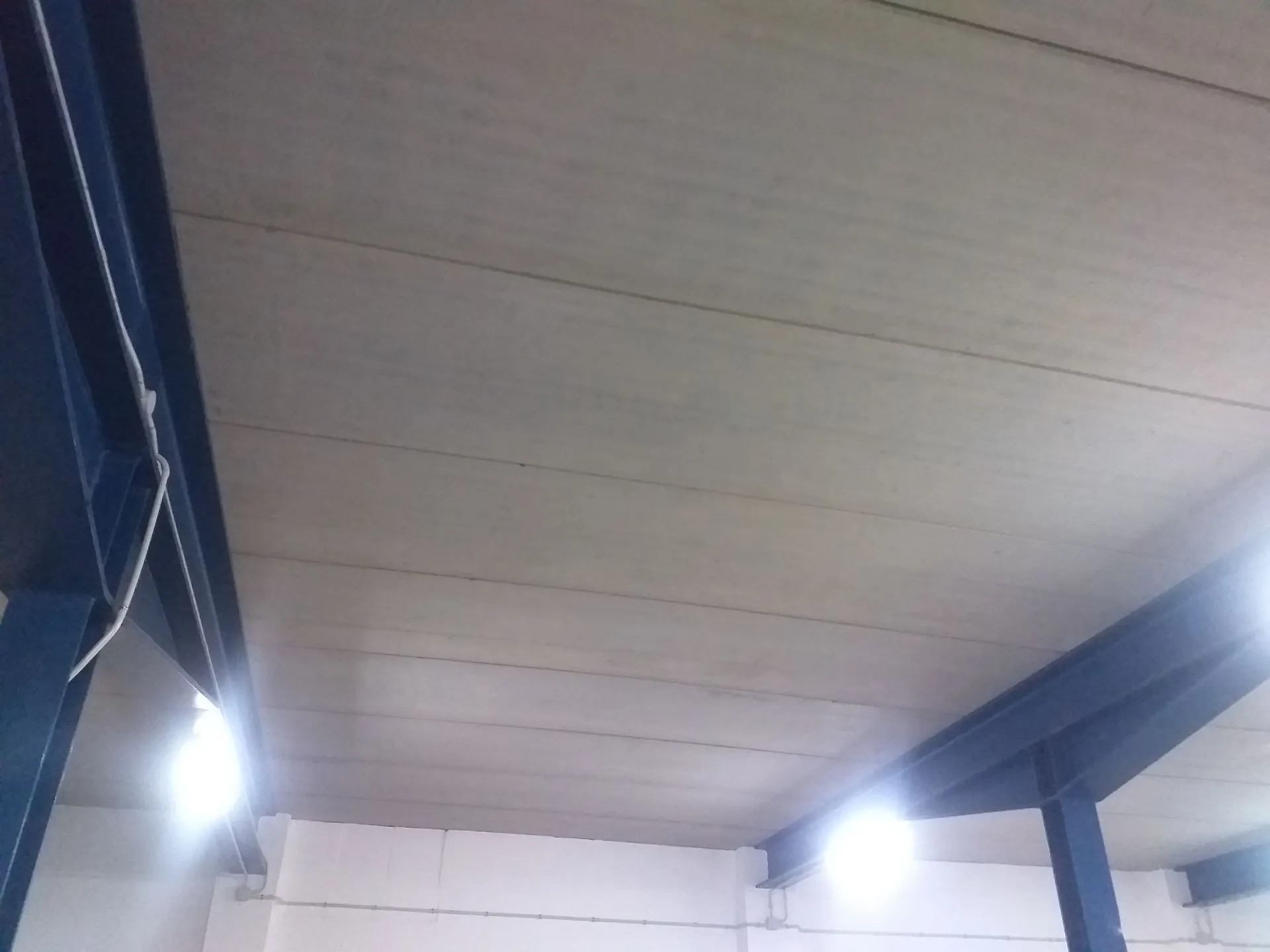
Industrial unit · Ref. N0545
Industrial unit in Polígono Las Eras (ref. N0545)
Polígono Las Eras, Tenerife
- Size
- 1,073 m² of floor area
- Site
- 575 m² site
- Price
- Price on request
-
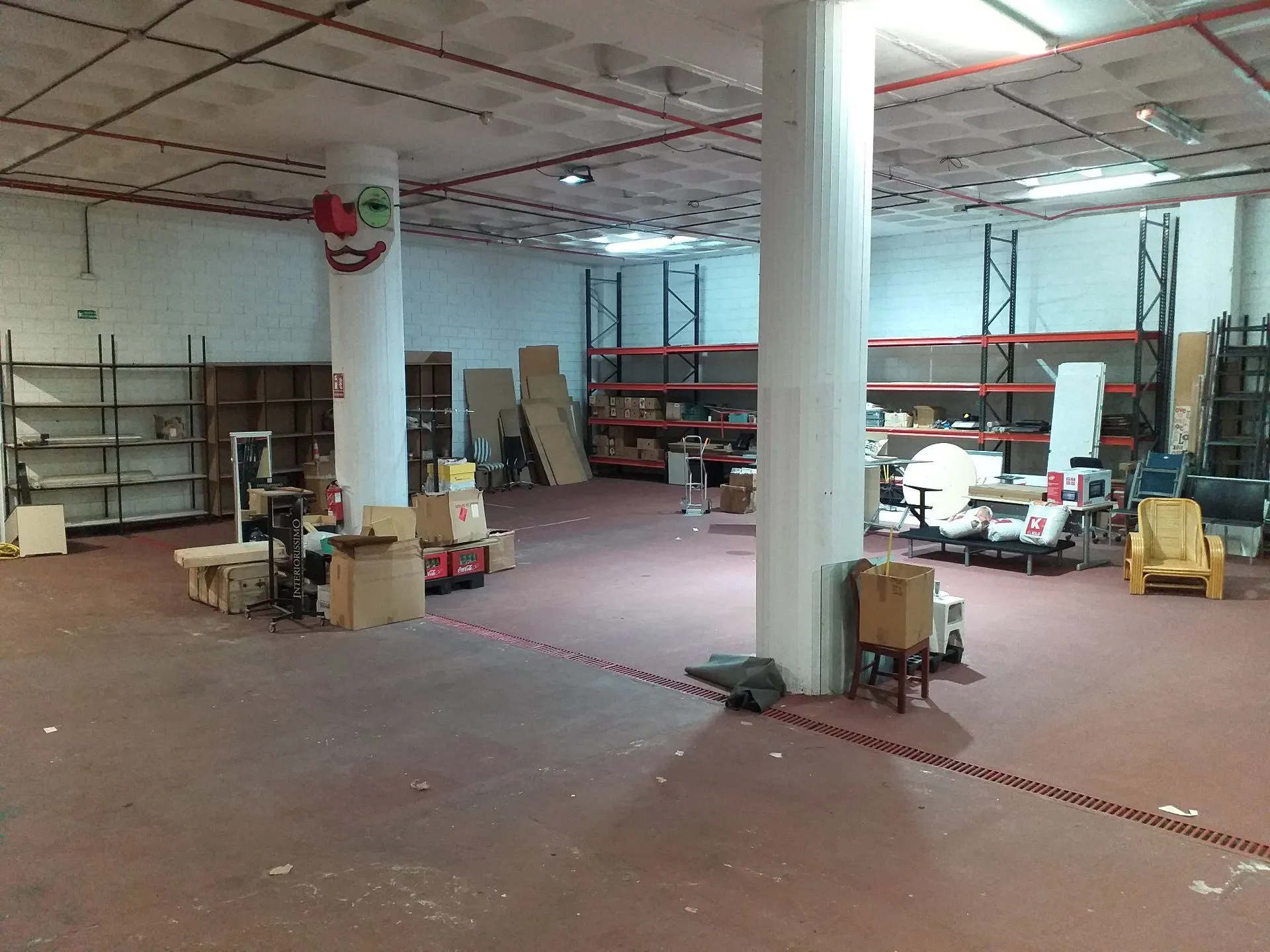
Industrial unit · Ref. N0555
Industrial unit in Polígono Costa Sur (ref. N0555)
Polígono Costa Sur, Tenerife
- Size
- 744 m² of floor area
- Price
- Price on request
-
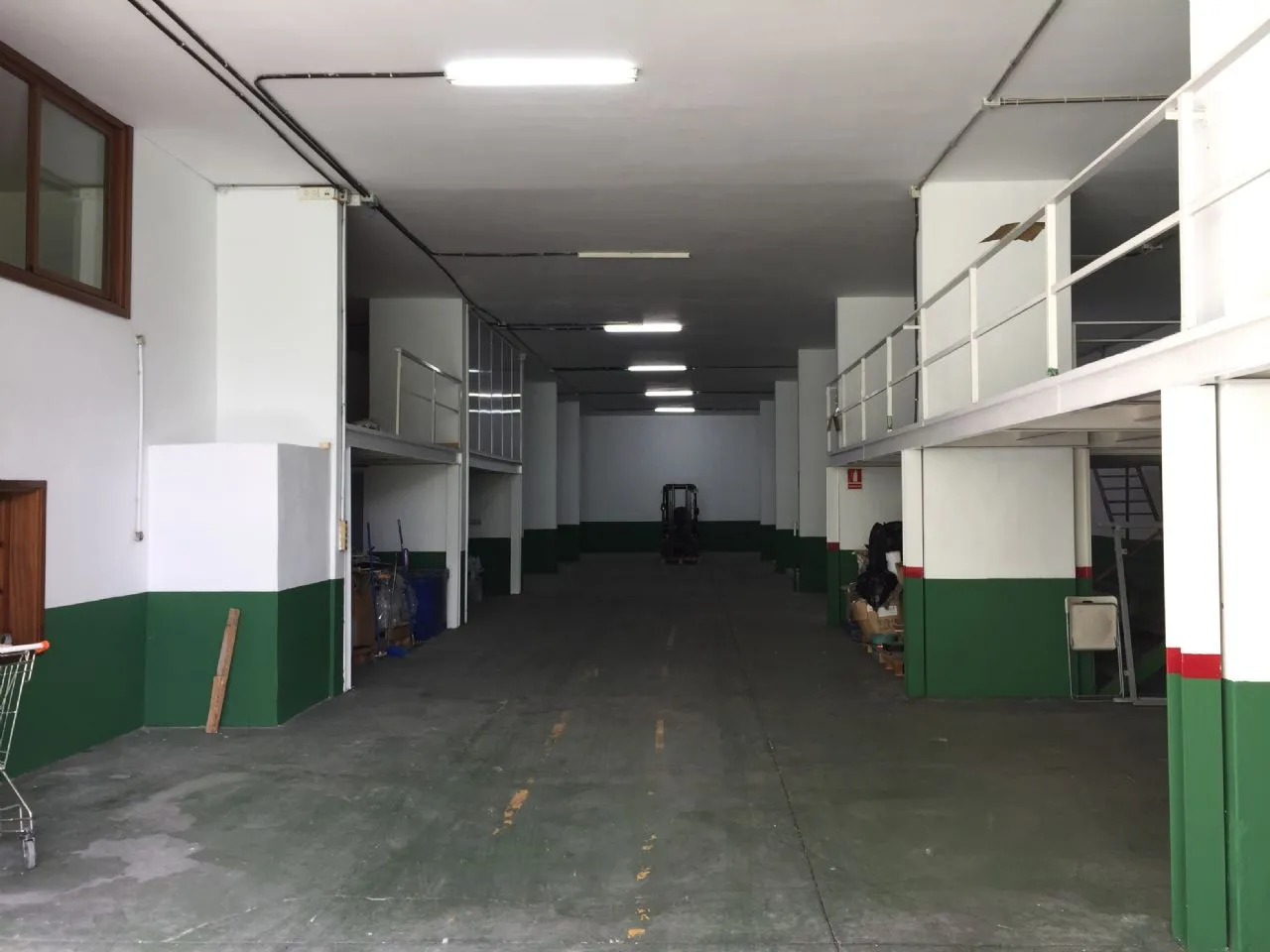
Industrial unit · Ref. N0326
Industrial unit in Polígono El Mayorazgo (ref. N0326)
Polígono El Mayorazgo, Tenerife
- Size
- 950 m² of floor area
- Site
- 1,400 m² site
- Price
- Price on request
A unit drops off this list once it is sold, so contact us and we will confirm what is genuinely on the market. Last reviewed on 15 June 2026.
Questions
Buying: common questions
- Can a non-EU company buy industrial property in the Canary Islands?
- Yes. There is no general nationality bar on buying commercial or industrial property in Spain. A non-EU company normally buys through a Spanish entity and needs a tax number to complete. The notary and registry steps are the same as for any buyer.
- What taxes apply when buying industrial premises?
- It depends on the seller. A sale by a business is generally subject to IGIC, the Canary indirect tax, under Ley 20/1991. A second-hand sale between private parties usually falls under transfer tax (ITP) instead. Notary, registry and stamp duty (AJD) are added on top.
- How does the RIC interact with a purchase?
- Under the RIC (Ley 19/1994, art. 27), a company can set aside up to 90% of undistributed profits tax-free, provided it reinvests in qualifying assets within three years. Industrial property is a qualifying asset, so a purchase can be the materialisation of the reserve.